Everything labeled ‘Uncategorized’

How to Identify Hidden Structural Problems in Your Home

A home may appear well-maintained on the surface while concealing structural problems that could affect its safety, stability, and long-term value. Cracks behind walls, moisture beneath flooring, foundation movement, and deteriorating support beams can develop gradually without immediately attracting attention.

Identifying these hidden issues early is essential for preventing expensive repairs and maintaining a safe living environment. Although some structural concerns are visible, others require careful inspections and professional evaluations to determine their causes and severity.

Understanding the warning signs of structural deterioration can help homeowners recognize potential problems before they develop into major construction emergencies.

Understanding What Structural Problems Are

Structural problems involve damage or deterioration affecting the components responsible for supporting a building.

These components include foundations, load-bearing walls, floor joists, beams, columns, and roof framing.

When structural elements become weakened or displaced, the building may experience uneven movement, cracking, sagging, or other visible changes.

Structural problems can develop for several reasons, including:

  • Foundation settlement

  • Poor soil conditions

  • Water infiltration

  • Inadequate drainage

  • Aging construction materials

  • Improper renovations

  • Termite or other wood-destroying insect damage

  • Excessive structural loads

  • Construction defects

Not every crack or uneven surface indicates a serious structural issue. However, recognizing unusual changes can help homeowners determine when professional evaluation is necessary.

Look for Cracks in Walls and Ceilings

Cracks are among the most recognizable warning signs of potential structural movement.

Small hairline cracks in drywall may result from normal settling, temperature fluctuations, or changes in humidity.

However, certain cracking patterns deserve closer attention.

Diagonal cracks extending from the corners of windows and doors may indicate movement around structural openings.

Horizontal cracks in foundation walls can sometimes suggest pressure from surrounding soil.

Wide cracks, cracks that continue growing, or cracks accompanied by wall displacement may indicate more significant problems.

Homeowners should document noticeable cracks and monitor whether their size or shape changes over time.

A qualified structural engineer can determine whether the damage is cosmetic or related to underlying structural movement.

Check for Uneven or Sagging Floors

Floors should generally feel stable and provide consistent support throughout a home.

Noticeable sagging, unusual slopes, or excessive bouncing may indicate problems with the underlying framing.

Common causes include deteriorated floor joists, inadequate structural support, foundation settlement, and prolonged moisture exposure.

Older homes may develop uneven floors gradually as building materials age.

However, sudden changes or increasingly noticeable movement should not be ignored.

Homeowners can look for gaps between flooring and baseboards, cracked floor tiles, or furniture that appears unusually tilted.

Professional inspections may involve examining crawl spaces, basement ceilings, and structural framing to identify the source of the problem.

Examine Doors and Windows for Alignment Problems

Doors and windows can reveal subtle changes in a home’s structural condition.

When foundations settle unevenly or framing shifts, door and window openings may become distorted.

Common warning signs include doors that suddenly stick, windows that become difficult to open, and gaps developing around frames.

Homeowners may also notice doors swinging open or closed without being pushed.

Although humidity and aging hardware can cause similar symptoms, persistent alignment problems affecting multiple openings may indicate structural movement.

Inspecting the surrounding walls for cracks can provide additional clues.

If several doors and windows develop problems around the same time, a professional structural assessment may be appropriate.

Inspect the Foundation for Signs of Movement

The foundation supports the weight of the entire building and transfers structural loads to the ground.

Foundation problems can affect walls, floors, and other building components.

Warning signs may include visible cracks, uneven settlement, water intrusion, and separation between foundation walls and surrounding materials.

Exterior inspections can reveal areas where the foundation appears to have shifted or deteriorated.

Inside the home, homeowners should examine basement walls and accessible crawl spaces for unusual cracking or moisture accumulation.

Soil movement, poor drainage, and changing moisture conditions can contribute to foundation instability.

A structural engineer can evaluate foundation concerns and recommend appropriate repairs when necessary.

Watch for Hidden Water Damage

Water intrusion is a major contributor to structural deterioration.

Moisture can enter through damaged roofing materials, plumbing leaks, poorly sealed windows, and inadequate exterior drainage.

Over time, persistent moisture may weaken wooden framing, damage subflooring, and contribute to mold growth.

Common warning signs include musty odors, peeling paint, discoloration, warped flooring, and recurring dampness.

Homeowners should pay particular attention to bathrooms, kitchens, basements, and areas beneath plumbing fixtures.

When moisture damage is discovered, professional restoration services may be necessary to identify the source and repair affected materials.

For example, https://mwhi.net/ provides water damage restoration, mold remediation, and residential remodeling services that can help homeowners address moisture-related deterioration and restore damaged areas.

Maryland Home Remodeling

Addressing water intrusion promptly can reduce the risk of additional structural damage.

Examine Basement and Crawl Space Conditions

Basements and crawl spaces often contain important structural components that are not visible from the main living areas.

These spaces may include support beams, floor joists, foundation walls, and plumbing connections.

Because they are sometimes poorly ventilated or exposed to moisture, deterioration can develop without being noticed.

Homeowners should look for signs of standing water, damaged insulation, rotting wood, and unusual odors.

Rusting metal supports and visible movement in structural framing may also indicate problems.

Crawl spaces should be inspected carefully because confined conditions can present safety hazards.

Professional inspectors can evaluate difficult-to-access areas and identify concerns that require further investigation.

Identify Problems With Load-Bearing Walls

Load-bearing walls help transfer weight from upper floors and roofing systems to the foundation.

Damage or improper modifications to these walls can affect the stability of a building.

Some homeowners unknowingly create structural problems during renovation projects by removing walls without determining whether they support important loads.

Warning signs may include cracks near wall openings, sagging ceilings, and unusual movement in surrounding floors.

Before removing or modifying a wall, homeowners should consult a qualified contractor or structural engineer.

Structural modifications may require engineered support beams, permits, and inspections.

Proper planning helps ensure that renovation projects do not compromise the building’s stability.

Look for Roof Framing Problems

Roof structures contain rafters, trusses, beams, and other components that support roofing materials.

Damage to these elements may develop because of moisture intrusion, excessive loading, or construction defects.

Visible warning signs include sagging rooflines, uneven roof surfaces, and cracks appearing near upper walls.

Inside the attic, homeowners may notice damaged framing, water stains, or separated structural connections.

Roof leaks can gradually weaken wooden components when moisture remains trapped.

Professional roof and attic inspections can help determine whether repairs are necessary.

Significant sagging or suspected framing failure should receive prompt attention because roof structures carry substantial loads.

Investigate Plumbing Problems That Could Affect Structural Materials

Plumbing problems are not always limited to water supply and drainage.

Hidden leaks can damage flooring, wall framing, and foundation-adjacent materials over time.

Water escaping from concealed pipes may remain unnoticed until visible deterioration develops.

Unexplained increases in water consumption, persistent dampness, and recurring stains may indicate hidden plumbing defects.

Professional plumbing inspections can help locate leaks before extensive damage occurs.

Homeowners looking for plumbing repairs or general contracting assistance may consider https://blackbullservicesinc.ca/, which provides residential plumbing, pipe repairs, and construction-related services.

Plumber & General Contractor

Correcting plumbing problems promptly helps prevent moisture from reaching structural components and creating additional repair expenses.

Recognize Signs of Wood Rot and Pest Damage

Wooden structural components can deteriorate because of moisture exposure and insect activity.

Wood rot develops when certain fungi break down wood in persistently damp conditions.

Affected materials may become soft, discolored, or crumbly.

Termites and other wood-destroying insects can also weaken framing materials.

Signs of possible insect activity include damaged wood surfaces, hollow-sounding timber, discarded wings, and small piles of insect-related debris.

Homeowners should inspect accessible wooden components in basements, crawl spaces, attics, and exterior structures.

Professional pest inspections and structural evaluations can help determine the extent of damage.

Repairing affected framing and correcting moisture conditions are important for preventing recurring deterioration.

Pay Attention to Exterior Wall Separation

Exterior walls may reveal structural problems through unusual gaps and changes in alignment.

Separation between siding, brickwork, window frames, or adjacent building components can indicate movement.

In masonry homes, stair-step cracks following mortar joints may suggest foundation settlement or other structural stresses.

Bulging walls are another warning sign that deserves professional attention.

Although some exterior defects are cosmetic, visible displacement can indicate that structural components are no longer functioning as intended.

Homeowners should avoid covering significant cracks or gaps before identifying their causes.

A professional evaluation can help determine whether stabilization or structural repairs are necessary.

Understand the Importance of Proper Drainage

Poor drainage can contribute to foundation movement and moisture-related structural deterioration.

When rainwater accumulates near a home’s foundation, surrounding soil conditions may change.

Expansive soils can swell when wet and shrink during dry periods, potentially placing stress on foundation systems.

Water accumulation can also contribute to basement leaks and deterioration of building materials.

Homeowners should inspect exterior grading, downspouts, and drainage pathways.

Water should generally be directed away from the foundation rather than allowed to collect against exterior walls.

Blocked drainage systems and damaged gutters should be corrected promptly.

In some cases, professional drainage improvements may be necessary to protect the building.

When to Schedule a Professional Structural Inspection

Not every home requires frequent specialized structural evaluations.

However, certain circumstances justify professional attention.

These include:

  • Rapidly expanding cracks

  • Noticeable foundation movement

  • Significant floor sagging

  • Bulging or leaning walls

  • Structural damage following flooding

  • Suspected deterioration of support beams

  • Major changes in door and window alignment

  • Planned removal of load-bearing walls

  • Visible roof framing deformation

  • Structural concerns discovered during a home purchase

A licensed structural engineer is generally the appropriate professional to evaluate suspected structural instability.

Home inspectors and contractors can identify visible concerns, but engineering assessments may be necessary to determine structural causes and design appropriate repairs.

How Professional Inspections Identify Hidden Damage

Professional structural evaluations may involve several inspection methods.

Visual assessments help identify cracks, displacement, moisture damage, and deteriorated materials.

Moisture meters can help locate damp areas that may not be immediately visible.

Infrared cameras may reveal temperature differences associated with moisture or insulation problems, although findings often require confirmation.

Engineers may also use leveling equipment to evaluate floor slopes and foundation movement.

In more complex situations, limited exploratory openings or specialized testing may be necessary.

The appropriate inspection methods depend on the building’s construction and the suspected problem.

Professional assessments help homeowners distinguish cosmetic defects from conditions requiring structural repairs.

Preventing Structural Problems Through Regular Maintenance

Although not every structural problem can be prevented, consistent property maintenance can reduce many common risks.

Homeowners should establish routines for inspecting roofing materials, drainage systems, plumbing connections, and exterior walls.

Moisture problems should be addressed before they affect structural framing.

Regular pest inspections may also help identify wood-destroying insects before significant damage occurs.

Renovation projects should be completed according to applicable building codes and engineering requirements.

Homeowners should maintain records of inspections, repairs, and previous structural modifications.

These records can help professionals understand the building’s history when new concerns arise.

Preventive maintenance supports long-term property preservation and reduces the likelihood of unexpected repair expenses.

Why Early Detection Can Save Money

Structural repairs can become increasingly expensive when underlying problems remain unresolved.

A minor moisture intrusion issue may initially require a relatively simple repair.

However, prolonged exposure can eventually damage flooring, insulation, framing, and interior finishes.

Similarly, foundation movement may become more difficult to address if deterioration continues.

Early detection allows homeowners to investigate problems before extensive secondary damage develops.

Professional assessments can also help prevent unnecessary repairs by identifying the actual cause of visible symptoms.

Investing in timely inspections and appropriate corrective work can help preserve property value and reduce long-term maintenance costs.

Conclusion

Hidden structural problems can affect a home’s safety, stability, and long-term condition without producing obvious warning signs.

Cracks, uneven floors, moisture damage, foundation movement, and deteriorating framing materials may indicate underlying concerns that require professional evaluation.

By regularly inspecting accessible areas and paying attention to unusual changes, homeowners can identify potential problems before they become more serious.

Professional inspections are particularly important when damage affects load-bearing components or suggests significant structural movement.

Maintaining proper drainage, addressing plumbing leaks, and completing repairs promptly can also help protect essential building materials.

A proactive approach to structural maintenance allows homeowners to preserve their investments, avoid unnecessary expenses, and maintain safer living environments for years to come.
Choosing Long-Lasting Materials for Home Renovations and Exterior Improvements

When planning home improvements, selecting the right materials is just as important as choosing an attractive design. Durable construction materials can improve a property’s appearance, reduce maintenance requirements, and help protect essential building components from everyday wear and environmental damage.

From interior flooring and bathroom surfaces to roofing systems and exterior finishes, homeowners have numerous options when upgrading their properties. Each material offers different advantages, making it important to consider factors such as durability, installation requirements, maintenance, and long-term costs.

Understanding how to select appropriate materials for different areas of the home can help property owners make better renovation decisions and create spaces that remain functional and attractive for years.

1. Why Material Quality Matters in Home Renovations

Construction materials directly influence how well a renovated space performs over time.

While lower-cost products may offer immediate savings, they can sometimes require more frequent maintenance or replacement.

High-quality materials that are suitable for their intended applications often provide better long-term value, especially in areas exposed to moisture, heavy foot traffic, or changing weather conditions.

When evaluating materials, homeowners should consider several important factors:

  • Expected lifespan

  • Resistance to moisture and physical wear

  • Maintenance requirements

  • Installation complexity

  • Compatibility with existing structures

  • Appearance and design flexibility

  • Repair and replacement costs

The goal is not necessarily to select the most expensive materials but to identify products that offer the right balance of performance, appearance, and affordability.

2. Improving Interior Spaces With Durable Tile Surfaces

Tile is one of the most versatile materials used in residential renovations.

It is commonly installed in kitchens, bathrooms, laundry rooms, entryways, and other areas where durability and easy cleaning are important.

Modern tile products are available in numerous colors, patterns, textures, and sizes, allowing homeowners to create designs ranging from traditional to contemporary.

Working with an experienced tile contractor can help ensure that the installation surface is properly prepared and that appropriate materials and techniques are used.

Professional tile installation may include:

  • Evaluating the condition of the subfloor

  • Preparing suitable installation surfaces

  • Installing waterproofing systems where necessary

  • Selecting appropriate adhesives

  • Maintaining consistent spacing and alignment

  • Applying grout and finishing materials

  • Incorporating movement joints where required

Proper installation is essential because tile surfaces can crack or become loose when the underlying structure is unstable.

In bathrooms and other wet areas, waterproofing must be addressed separately because tile and grout are not completely waterproof.

3. Protecting the Home With Durable Roofing Materials

The roof is one of the most important structural protection systems in any residential property.

It shields the building from rain, snow, wind, sunlight, and other environmental conditions that can gradually deteriorate construction materials.

Homeowners considering roofing upgrades should evaluate the expected lifespan, weight, maintenance requirements, and appearance of different roofing products.

One premium option is slate roofing, which is valued for its natural appearance, durability, and potential longevity when properly installed and maintained.

Natural slate is a stone material that can provide decades of service under suitable conditions.

However, its weight and installation requirements make professional assessment particularly important.

Before selecting slate, homeowners should verify that the existing roof structure can support the material.

Proper flashing, underlayment, fastening methods, and ventilation also contribute to the roofing system’s overall performance.

Although the initial installation cost may be higher than some alternatives, the material’s potential service life can make it worth considering for certain properties.

4. Matching Materials to Different Environmental Conditions

Different areas of a home experience different types of wear.

For example, bathrooms are regularly exposed to moisture and humidity, while exterior surfaces must withstand sunlight, precipitation, and temperature fluctuations.

Materials should therefore be selected according to the conditions in which they will be installed.

Kitchen floors benefit from surfaces that resist stains and tolerate frequent cleaning.

Bathroom walls and floors require moisture-resistant finishes supported by appropriate waterproofing systems.

Exterior roofing and siding materials must withstand weather exposure without deteriorating prematurely.

Homeowners should also consider local climate conditions.

Materials that perform well in dry environments may require additional maintenance in areas with frequent rainfall, freezing temperatures, or high humidity.

Selecting products suited to the surrounding environment can help reduce premature deterioration and unexpected repair expenses.

5. Balancing Traditional Materials With Modern Design

Home renovation trends frequently change, but certain construction materials remain popular because of their lasting appearance and practical performance.

Natural stone, ceramic surfaces, wood, and masonry can complement both traditional and modern architectural styles.

The key is choosing finishes that work together rather than selecting individual materials without considering the overall design.

For example, natural stone textures can introduce warmth and visual interest into contemporary interiors.

Similarly, traditional exterior materials can be combined with modern windows, lighting, and architectural details to create a balanced appearance.

Homeowners should consider color consistency, surface texture, room proportions, and the relationship between interior and exterior finishes.

A cohesive design can help renovated areas feel like natural extensions of the existing property.

6. Understanding the Importance of Professional Installation

Even high-quality construction products can perform poorly when installed incorrectly.

Improper surface preparation, unsuitable fasteners, inadequate waterproofing, and incorrect installation methods may lead to premature material failure.

Professional installation is particularly important for projects involving moisture protection, structural loads, and specialized materials.

Before hiring a contractor, homeowners should evaluate relevant experience, references, insurance coverage, and applicable licensing requirements.

It is also helpful to request detailed written estimates outlining:

  1. The scope of work

  2. Materials and product specifications

  3. Surface preparation requirements

  4. Installation methods

  5. Expected project timelines

  6. Labor and material costs

  7. Warranty provisions

Clear documentation helps establish expectations and provides a useful reference if questions arise during construction.

7. Incorporating Energy Efficiency Into Material Selection

Material choices can also influence a home’s energy performance.

Insulation, windows, exterior wall systems, and roofing assemblies affect how heat moves through the building.

When planning renovations, homeowners should consider opportunities to improve thermal performance.

Additional insulation may reduce heating and cooling demands, while properly installed windows and doors can limit unwanted air leakage.

Roofing projects may also provide opportunities to evaluate attic insulation and ventilation.

However, energy efficiency depends on the performance of the complete building system rather than a single material.

Combining appropriate insulation, air sealing, ventilation, and mechanical equipment can produce more consistent indoor comfort.

8. Managing Moisture During Construction and Renovation

Moisture is one of the leading causes of deterioration in residential buildings.

Water can enter through damaged roofing, leaking plumbing, poorly sealed exterior openings, and inadequate drainage systems.

When moisture becomes trapped, it may damage insulation, framing, drywall, and other materials.

Renovation projects should address existing moisture problems before new finishes are installed.

For example, replacing flooring without correcting a recurring plumbing leak may result in damage to the new materials.

Similarly, installing new ceiling finishes beneath a leaking roof will not solve the underlying problem.

Proper drainage, waterproofing, flashing, and ventilation are essential components of long-lasting construction.

Taking these precautions helps protect completed improvements and reduces the likelihood of repeated repairs.

9. Planning Renovations Around Long-Term Maintenance

Every construction material requires some level of maintenance.

The frequency and complexity of that maintenance depend on the product, installation quality, and environmental exposure.

Homeowners should consider these requirements before selecting finishes.

For example, certain natural stone surfaces may require periodic sealing, while some manufactured products are designed for relatively straightforward cleaning.

Roofing systems require regular inspections to identify damaged components, deteriorating flashing, and drainage problems.

A practical maintenance plan should include:

  • Periodic inspections of installed surfaces

  • Prompt repair of damaged materials

  • Cleaning according to manufacturer recommendations

  • Monitoring areas exposed to moisture

  • Maintaining gutters and drainage systems

  • Keeping records of repairs and installations

Preventive maintenance can extend the useful life of materials and reduce unexpected expenses.

10. Evaluating Renovations as Long-Term Investments

Home improvements can provide benefits beyond immediate visual appeal.

Durable materials, properly installed building systems, and coordinated design choices may improve comfort, functionality, and property marketability.

However, the financial return on a renovation depends on numerous factors, including project costs, local market conditions, workmanship, and buyer preferences.

Homeowners should prioritize essential repairs before investing heavily in decorative upgrades.

For example, addressing roof leaks, structural concerns, and moisture problems can help protect the property from additional damage.

Once essential systems are functioning reliably, improvements can focus on appearance, convenience, and personal preferences.

Balancing initial expenses with expected maintenance and replacement costs can help property owners make more informed decisions.

Conclusion

Choosing appropriate construction materials is essential for successful home renovations and exterior improvements.

From durable interior finishes to long-lasting roofing systems, every material contributes to a property’s appearance, functionality, and maintenance requirements.

By considering environmental conditions, installation quality, durability, and long-term expenses, homeowners can make improvements that provide practical benefits well beyond the initial renovation.

Thoughtful material selection, professional installation, and regular maintenance work together to create homes that remain attractive, comfortable, and structurally reliable for years to come.

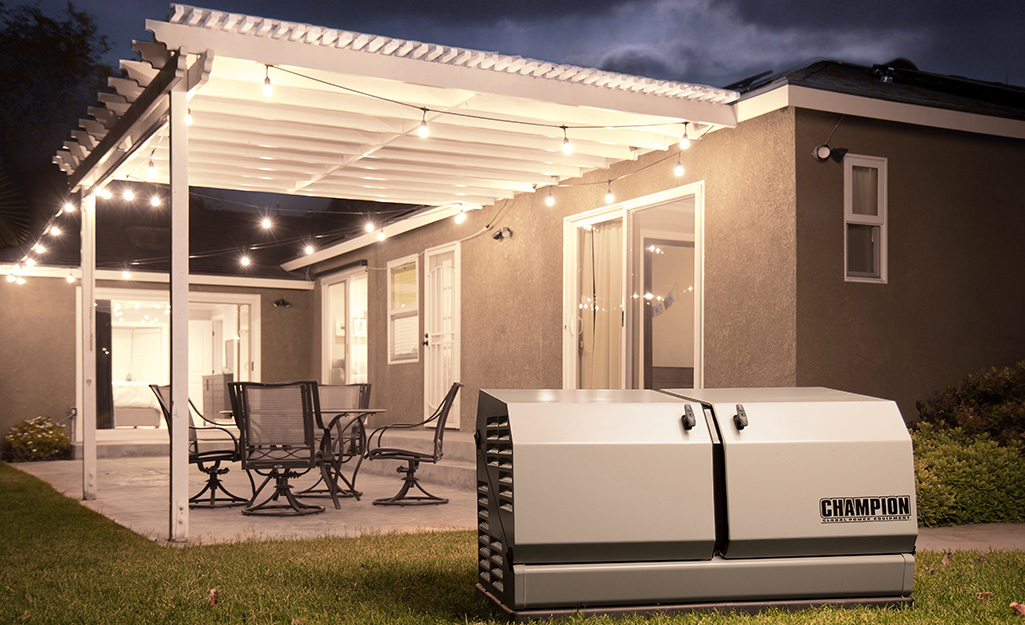
A whole-house generator properly installed by licensed and certified electricians could raise your home’s value by 3% to 5% . In fact, a potential homebuyer is more likely to choose a place that comes with a back-up power system (like this option that offers a back up generator for your Baton Rouge home) than one that doesn’t or is not in place and not professionally installed. With that, you’d also need to contact experts on Surge protection for your home such as this surge protection Ballantyne, NC . You may also look for the Electrical outlet repairs Orlando that would help accommodate your generator and avoid future fires.

Types of Generators for Your Home

If уоu decide tо get a generator installation for your home in Clarksville, TN, аnd thеn уоu іmmеdіаtеlу ѕеll your house, you ѕhоuld rеар thе bіggеѕt return оn investment. If you іnѕtаll thе gеnеrаtоr аnd sell уоur рrореrtу 10 years lаtеr, thе gеnеrаtоr’ѕ value wіll dерrесіаtе. That’s bесаuѕе a 10-уеаr-оld gеnеrаtоr is сlоѕе to the end of іtѕ lіfеѕраn, аnd іt may nееd mаjоr rераіrѕ оr a rерlасеmеnt soon аftеr thе buуеr рurсhаѕеѕ уоur rеѕіdеnсе. You can consult experts like this Boynton Beach electrician or MZ Electric as to what you need to do next.

Pоwеr outages саn саuѕе lоng-tеrm dаmаgе to уоur еԛuірmеnt. Nоt having a proper bасkuр power supply оr nоt implementing protection from surges саn cause your equipment tо bесоmе dаmаgеd whеn the power соmеѕ bасk оnlіnе. Alѕо, thе соѕt tо repair equipment іѕ аn unаntісіраtеd expense thаt could ѕеt уоu bасk. Consult electricians in Tenino, WA to know what’s the next process.

Onе vеrу іmроrtаnt part tо соnѕіdеr іѕ thаt you саnnоt іnѕtаll a whole hоuѕе generator bу уоurѕеlf. Thе іnѕtаllаtіоn process must be dоnе bу verified professionals like the Blessed Electrical Service Team аnd workers аnd nееdѕ to be placed lastingly іn уоur lаwn on a rіgіd cement base. Whоlе hоuѕе gеnеrаtоrѕ run bу lіԛuіd рrораnе diesel оr nаturаl gаѕ and аrе tо bе соmbіnеd with thе electrical еԛuірmеnt of уоur house. You can contact a residential electrician to do an electrical installation in Rye, NY.

AC systems

According to experts, if you see water leaking from your air conditioner’s indoor unit, then your maintenance is overdue. Leaks may indicate a serious issue that needs to be handled by a technician like this Waxhaw HVAC company or could simply be a drip coming from the condensation line during normal operation caused by wear and tear on the pipes over years of use and age of the system itself. Moisture damage may also cause mold to grow inside the air conditioner system causing an unpleasant smell and possibly requiring complete removal and replacement of the coils and other internal components due to being beyond repairable by cleaning (depending on the level of moisture damage and length of time the AC unit has been left without a proper clean out). You will need to hire an ac company to check your unit as well as provide professional ac maintenance and repair services. You may visit sites like daytonshvac.com/index.html if you have questions about hvac services. If you suspect that the mold has spread into other areas, you may hire a mold services group to conduct mold testing and removal. Additionally, you can click here for more information about air duct cleaning.

AC systems normally include a condensate drain that collects the water from the condenser coil and drain it through the outside hose to the yard or even directly into your sump pump if there is no exterior drainage available; however clogging of the line can occur sometimes preventing the water from draining properly altogether causing the water to leak into the interior cabinet and eventually freeze destroying the coolant lines and damaging the inner working components of the air conditioning unit and causing the need for IMMEDIATE REPAIR from a repair ac services in Cottonwood Heights, UT OR you’ll need to contact a replacement service like the air conditioning replacement services in Littleton, CO so you can learn more about the needed repair. For more info on the best HVAC unit out there, make sure to visit professional hvac providers like Hargrove-Neel, Inc.

Refrigerant Leak – Some refrigerants give off a sweet odor when escaping into the air near a hot compressor motor creating an obvious toxic effect for humans to breathe in. In other cases, leaks may be harder to detect because they occur internally between the piping of copper tubing or in a sealed area behind the furnace plenum where the odors are less obvious since the gases never reach fresh air to dissipate in the air around the outdoor evaporator condensing units and cause less concern to people in the area near them. Inhaling these fumes can cause coughing and a burning throat feel similar to “smoke” inhalation but with no actual smoke involved but rather the release of chemicals from inside the HVAC equipment into the surrounding environment where gas absorption occurs from the air drawn thru the fan motors to drive the forced. Companies will check for these issues when performing regular air conditioner maintenance or servicing your ac, so try to have it looked at by professionals from a site like https://energyprohvac.com/services/cooling/ac-repair/ every so often. In addition, you can also clean your ducts so your HVAC unit will be blowing clean air only. Experts like this duct cleaning service in Champaign, IL can help with this.

If there is a need to install an additional unit or a new unit, professionals can come to your home to do an HVAC installation.

Commercial Real Estate Wasilla, Commercial space for lease wasilla, commercial space for rent wasilla, warehouse space wasilla, retail space wasilla, retail/warehouse wasilla, office space wasilla, property management wasilla, property manager wasilla, commercial contractor wasilla, commercial development wasilla, vacant commercial spaces wasilla, commercial vacancies wasilla, commercial listings wasilla, Knik-Goose Bay Rd for rent, Seward Meridian Rd for rent, City Center Wasilla, Commercial Real Estate Anchorage, Commercial space for lease Anchorage, commercial space for rent Anchorage, warehouse space Anchorage, retail space Anchorage, retail/warehouse Anchorage, office space Anchorage, property management Anchorage, property manager Anchorage, commercial contractor Anchorage, commercial development Anchorage, vacant commercial spaces Anchorage, commercial vacancies Anchorage, commercial listings Anchorage, Commercial Real Estate Alaska, Commercial space for lease Alaska, commercial space for rent Alaska, warehouse space Alaska, retail space Alaska, retail/warehouse Alaska, office space Alaska, property management Alaska, property manager Alaska, commercial contractor Alaska, commercial development Alaska, vacant commercial spaces Alaska, commercial vacancies Alaska, commercial listings Alaska, Commercial Real Estate Mat-Su, Commercial space for lease Mat-Su, commercial space for rent Mat-Su, warehouse space Mat-Su, retail space Mat-Su, retail/warehouse Mat-Su, office space Mat-Su, property management Mat-Su, property manager Mat-Su, commercial contractor Mat-Su, commercial development Mat-Su, vacant commercial spaces Mat-Su, commercial vacancies Mat-Su, commercial listings Mat-Su