News

Key Factors to Consider Before Starting a New Construction Project

Starting a new construction project is a major undertaking that requires careful planning long before work begins on the site. Whether the project involves a new home, commercial building, addition, or other structure, early decisions can affect cost, scheduling, design quality, and long-term performance.

A strong construction plan should address the site, budget, design, permits, contractors, materials, utilities, and future maintenance before major commitments are made. Taking time to evaluate these areas can reduce unexpected problems later.

Define the Purpose of the Project

Begin by identifying exactly what the new building needs to accomplish.

Important questions may include:

  • Who will use the building?
  • How much space is required?
  • What activities will take place inside?
  • Will future expansion be necessary?
  • Are there specific accessibility needs?

A clear purpose helps guide later decisions involving layout, materials, mechanical systems, and budget.

Establish a Realistic Budget

Construction budgets should include more than the basic building cost.

Potential expenses may include:

  • Land preparation
  • Architectural design
  • Engineering
  • Permits
  • Materials
  • Labor
  • Utility connections
  • Landscaping
  • Interior finishes

A contingency fund should also be included for unexpected conditions or changes.

Evaluate the Site

Every property has characteristics that can influence construction.

Before finalizing a building design, examine:

  • Topography
  • Soil conditions
  • Drainage
  • Road access
  • Existing utilities
  • Nearby structures
  • Property boundaries

A design that works well on one property may not be practical on another.

Review Soil Conditions

Soil can significantly affect foundation design and construction costs.

Testing may reveal issues involving:

  • Bearing capacity
  • Expansive soil
  • Groundwater
  • Poor drainage
  • Compaction

Identifying these conditions early allows engineers to design an appropriate foundation.

Confirm Property Boundaries

Accurate surveys are important before construction begins.

Property boundaries can affect:

  • Building placement
  • Setbacks
  • Fences
  • Driveways
  • Utility locations

Do not rely only on visual assumptions about where the property begins and ends.

Check Zoning Requirements

Local zoning regulations may limit what can be constructed.

Rules may govern:

  • Building height
  • Setbacks
  • Lot coverage
  • Parking
  • Property use
  • Accessory structures

Understanding these restrictions early can prevent major redesigns.

Review Permit Requirements

Many construction activities require permits and inspections.

Depending on the project, approvals may be needed for:

  • Structural work
  • Plumbing
  • Electrical systems
  • Mechanical systems
  • Roofing
  • Site development

Permit timelines should be included in the project schedule.

Develop a Detailed Design

A well-developed design reduces uncertainty during construction.

Plans should address:

  • Room layouts
  • Structural systems
  • Doors and windows
  • Plumbing
  • Electrical systems
  • HVAC
  • Lighting
  • Storage

The more decisions that are made before work begins, the fewer changes are likely to be required later.

Plan the Building Layout Carefully

Think about how people will actually move through the finished building.

Consider:

  • Entrances
  • Hallways
  • Room connections
  • Furniture placement
  • Traffic flow
  • Accessibility

A good layout should support everyday use rather than simply look attractive on paper.

Coordinate Structural and Architectural Plans

Architectural ideas must work with the structural requirements of the building.

Beams, columns, foundations, roof systems, and load-bearing walls may affect where rooms and openings can be placed.

Coordination between architects and engineers helps prevent conflicts during construction.

Consider Roofing Early

Roof design affects drainage, insulation, ventilation, appearance, and long-term maintenance.

Factors to consider include:

  • Roof pitch
  • Material
  • Local weather
  • Drainage
  • Expected lifespan

A contractor such as ISP Roofing & Construction may be considered when roofing needs to be coordinated with a larger new-build or construction project.

Roof decisions should be made early enough to align with structural plans.

Review Exterior Construction Needs

The exterior envelope protects the building from weather.

Planning should address:

  • Roofing
  • Siding
  • Windows
  • Doors
  • Flashing
  • Waterproofing

Exterior materials should be selected according to both appearance and durability.

Plan Utility Connections

New buildings require dependable access to essential utilities.

Determine how the project will connect to:

  • Electricity
  • Water
  • Sewer or septic
  • Gas
  • Internet
  • Telecommunications

Utility connections can influence building placement and construction scheduling.

Design Electrical Systems for Future Needs

Modern buildings use more electrical equipment than ever.

The electrical design should account for:

  • Lighting
  • Appliances
  • HVAC
  • Office equipment
  • Security systems
  • EV charging
  • Smart-home technology

According to construction teams like East Bay Retrofit Construction, planning additional capacity during construction may be easier than upgrading the system later.

Plan Plumbing Locations Carefully

Plumbing can become expensive to relocate after construction begins.

Determine the location of:

  • Bathrooms
  • Kitchens
  • Laundry areas
  • Utility rooms
  • Exterior faucets

Grouping plumbing-intensive areas can sometimes simplify installation.

Design HVAC Systems Around the Building

Heating and cooling should be planned according to the size and layout of the building.

The design may need to consider:

  • Equipment capacity
  • Duct locations
  • Vent placement
  • Zoning
  • Ventilation
  • Energy efficiency

Mechanical systems should be coordinated with ceilings, walls, and structural components.

Think About Energy Efficiency

Energy-efficient construction can reduce long-term operating costs.

Possible strategies include:

  • Better insulation
  • High-performance windows
  • Efficient HVAC systems
  • LED lighting
  • Air sealing
  • Smart controls

Efficiency is generally easier to build into a new project than add later.

Evaluate Natural Light

Window placement affects both appearance and comfort.

Consider:

  • Building orientation
  • Sun exposure
  • Glare
  • Privacy
  • Views

Good daylight planning can reduce reliance on artificial lighting while making interior spaces more inviting.

Select Materials Based on Durability

Construction materials should suit the way the building will be used.

Consider:

  • Moisture
  • Weather
  • Traffic
  • Maintenance
  • Expected lifespan

The least expensive material is not always the best long-term value.

Order Long-Lead Materials Early

Some products may require long manufacturing or delivery times.

Examples include:

  • Windows
  • Cabinets
  • Specialty doors
  • Custom steel
  • Appliances
  • Fixtures

Ask suppliers about lead times before the project reaches the installation stage.

Select Contractors Carefully

The quality of the contractor can significantly influence the project.

Compare potential builders based on:

  • Experience
  • References
  • Communication
  • Licensing where required
  • Insurance
  • Previous projects

A contractor should be able to explain how scheduling, subcontractors, change orders, and inspections will be managed.

Consider Construction Management

Larger projects may involve many subcontractors.

These can include:

  • Electricians
  • Plumbers
  • Roofers
  • HVAC installers
  • Carpenters
  • Flooring installers

A general contractor or construction manager can help coordinate their schedules.

Review Larger Construction Firms

Some projects require broader construction capabilities.

A company such as https://oasisconstruct.com/ may be considered when researching contractors for substantial building or construction work.

Compare the contractor’s experience with projects similar in scale and complexity to your own.

Plan Interior Finishes in Advance

Interior finishes should not be left until the last minute.

Early decisions may be needed for:

  • Flooring
  • Cabinets
  • Countertops
  • Tile
  • Hardware
  • Lighting
  • Plumbing fixtures

Some selections affect electrical or plumbing rough-ins and must be finalized well before installation.

Coordinate Painting With the Construction Schedule

Painting usually happens toward the later stages of construction, but color and finish decisions can be made much earlier.

A professional painting company may be useful when the project requires extensive interior or exterior finishing after major construction is complete.

Scheduling painters correctly can prevent other trades from damaging newly completed surfaces.

Consider Storage From the Beginning

Storage is much easier to incorporate during initial construction than after completion.

Possible features include:

  • Built-in cabinets
  • Pantry storage
  • Closets
  • Garage storage
  • Utility rooms

Plan storage according to actual daily needs.

Design for Accessibility

Accessibility can benefit people of many ages and mobility levels.

Potential features include:

  • Wider doorways
  • Step-free entrances
  • Accessible bathrooms
  • Lever handles
  • Appropriate hallway widths

Including these elements early can avoid expensive future modifications.

Plan Parking and Driveways

Vehicle access should be considered before site work is completed.

Evaluate:

  • Number of vehicles
  • Guest parking
  • Delivery access
  • Garage location
  • Turning space

Commercial projects may also need designated accessible or loading spaces.

Develop a Drainage Plan

Poor drainage can cause serious problems after construction.

Site planning should direct water away from:

  • Foundations
  • Entrances
  • Walkways
  • Parking areas

Drainage systems may include swales, drains, grading, or retention areas.

Consider Landscaping Early

Landscaping is often treated as a final-stage decision, but early planning can improve results.

Consider:

  • Tree locations
  • Irrigation
  • Drainage
  • Outdoor living areas
  • Walkways

Large trees should be positioned so mature roots and branches do not interfere with structures.

Create a Construction Timeline

A realistic schedule should account for:

  • Permits
  • Site preparation
  • Foundations
  • Framing
  • Roofing
  • Mechanical systems
  • Interior work
  • Inspections

Weather and material delays should also be considered.

Understand Construction Sequencing

Work must happen in a logical order.

A typical sequence may include:

  1. Site preparation
  2. Foundation
  3. Framing
  4. Roofing
  5. Rough plumbing and electrical
  6. HVAC installation
  7. Insulation
  8. Drywall
  9. Flooring and cabinetry
  10. Painting and finishes

Proper sequencing helps prevent completed work from being removed or damaged.

Prepare for Weather Delays

Outdoor construction can be affected by:

  • Rain
  • Snow
  • Wind
  • Extreme heat
  • Cold temperatures

Build reasonable flexibility into the timeline.

Certain activities may need to be rescheduled according to weather conditions.

Maintain Clear Communication

Regular communication between owners, contractors, designers, and engineers can prevent misunderstandings.

Discuss:

  • Progress
  • Material deliveries
  • Upcoming decisions
  • Budget changes
  • Schedule adjustments

Problems are usually easier to solve when they are identified early.

Establish a Change-Order Process

Changes during construction are sometimes unavoidable.

However, every change can affect:

  • Cost
  • Materials
  • Labor
  • Schedule

Require changes to be documented clearly before work proceeds.

Keep Detailed Records

Maintain copies of:

  • Contracts
  • Drawings
  • Permits
  • Invoices
  • Product specifications
  • Change orders

Organized records can help resolve questions and are useful for future maintenance.

Conduct Inspections Throughout Construction

Do not wait until the end to inspect the project.

Important stages may need review before walls or finishes cover the work.

Inspecting throughout construction makes problems easier to correct.

Plan for Long-Term Maintenance

Consider how the completed building will be maintained.

Ask:

  • How often will the roof need inspection?
  • Are mechanical systems accessible?
  • Are replacement parts available?
  • How difficult are the finishes to clean?

Design choices that simplify maintenance can reduce long-term expenses.

Complete a Final Walkthrough

Before accepting the finished building, conduct a detailed walkthrough.

Check:

  • Doors and windows
  • Plumbing fixtures
  • Electrical systems
  • Flooring
  • Paint
  • Cabinetry
  • HVAC operation

Document unfinished or defective items on a punch list.

Keep Warranty Information

Many construction materials and systems include warranties.

Organize documentation for:

  • Roofing
  • HVAC equipment
  • Windows
  • Appliances
  • Fixtures

Knowing warranty terms can save money if problems appear later.

Conclusion

A successful new construction project begins with careful planning.

Site conditions, budget, building design, permits, roofing, utilities, materials, contractors, and construction sequencing should all be evaluated before major work begins.

Making important decisions early reduces the likelihood of delays and expensive changes once construction is underway.

By developing a realistic plan and coordinating everyone involved, property owners can create a building that meets current needs while remaining practical, durable, and adaptable for the future.

Exterior Areas to Inspect Before Moving Into a New Property

Moving into a new property is exciting, but it is also an important time to look closely at the condition of the exterior. Problems outside the home can affect drainage, safety, energy efficiency, landscaping, and even interior comfort if they are not addressed early.

A careful exterior inspection can help new homeowners identify maintenance needs before they become larger and more expensive repairs.

Start With the Roof

The roof should be one of the first exterior areas to inspect.

Look for missing or damaged shingles, deteriorated flashing, visible sagging, loose materials, or signs of previous patchwork. Gutters and downspouts should also be checked to make sure water is being directed away from the structure.

Even small roofing issues can eventually lead to leaks, insulation damage, or interior staining.

Check Siding and Exterior Walls

Siding, stucco, brick, and other exterior finishes protect the building from weather and moisture.

Cracks, gaps, loose panels, peeling paint, or areas of discoloration may indicate deterioration. Pay particular attention around windows, doors, vents, and utility penetrations where water can sometimes enter.

If the home has recently undergone exterior or design-related improvements, resources such as https://www.theresedubravacdesign.com/ may also be useful when reviewing broader renovation possibilities after the move.

Inspect the Landscaping

Landscaping can reveal a lot about how well the property has been maintained.

Overgrown shrubs, tree limbs touching the house, dead plants, poor grading, or standing water may all require attention. A lombard landscaper can help evaluate areas that need trimming, drainage improvements, lawn care, or broader landscape maintenance.

Vegetation should generally be kept far enough away from siding and roofing to allow airflow and reduce moisture buildup.

Look Closely at Drainage

Poor drainage can eventually affect foundations, lawns, walkways, and basements.

Check whether the ground slopes away from the home and whether downspouts discharge far enough from the foundation. Low spots that hold water after rain may need grading or drainage improvements.

Standing water can also create muddy areas, damage plants, and increase maintenance around the property.

Inspect Decks, Patios, and Porches

Outdoor living areas should be checked for structural and surface problems.

Loose boards, cracked concrete, unstable railings, damaged steps, or deteriorated fasteners can create safety concerns. Wooden surfaces should also be inspected for rot or excessive weathering.

If repairs are needed, it is better to address them before placing heavy outdoor furniture or beginning regular use of the area.

Check Fences and Gates

Fences contribute to privacy, security, and the organization of outdoor spaces.

Look for leaning posts, broken boards, rusted hardware, damaged hinges, or gates that do not close properly. If pets or children will use the yard, make sure there are no large gaps or weak sections.

Pool barriers and other safety-related fences deserve particularly close attention.

Examine Windows and Exterior Doors

Windows and doors should close securely and be properly sealed.

Damaged caulking, worn weatherstripping, loose frames, or gaps around openings can allow air and moisture into the home. These issues may reduce comfort and increase heating or cooling demands.

Locks and exterior hardware should also be tested before moving in.

Inspect the Yard for Pest Concerns

Outdoor conditions can sometimes contribute to indoor pest problems.

Look for gaps around the foundation, damaged screens, wood piles placed against the house, or vegetation growing directly against exterior walls. If there are signs of insects or unexplained bites after moving in, a bed bug exterminator or another appropriate pest-control professional can help determine whether treatment is necessary.

The goal is to correct both the pest problem and any exterior conditions that may allow pests easier access to the property.

Review Lawn and Planting Areas

The condition of the lawn can help indicate whether irrigation, soil, or drainage issues are present.

Bare patches, excessive weeds, compacted soil, or uneven growth may require more than simple mowing. A round lake beach landscaper may be able to help with lawn restoration, planting, seasonal maintenance, or other outdoor improvements.

It is often easier to develop a long-term landscaping plan after seeing how the property performs through at least one season.

Check Walkways and Driveways

Cracked concrete, loose pavers, potholes, and uneven surfaces can create tripping hazards and reduce curb appeal.

Small cracks may be repairable before they spread. Drainage around paved surfaces should also be checked because standing water can accelerate deterioration.

Entry steps and handrails should be stable and easy to use.

Inspect Exterior Lighting

Good outdoor lighting improves both convenience and safety.

Test fixtures around entrances, garages, walkways, and patios. Burned-out bulbs may be easy to replace, but damaged wiring or malfunctioning fixtures should be evaluated professionally.

Motion sensors and timers should also be checked if the property includes them.

Look at Trees Near the Structure

Large trees can add shade and character, but they should be evaluated carefully.

Dead branches, trunks leaning toward the home, or limbs resting on the roof can create potential hazards. Roots may also affect walkways, driveways, or drainage.

Tree maintenance is often easier and less expensive when developing problems are addressed early.

Check Exterior Utility Areas

Air-conditioning units, electrical meters, hose connections, utility boxes, and other exterior equipment should remain accessible.

Vegetation, stored items, or debris should not block these areas. Look for obvious corrosion, damaged covers, or loose connections, but leave electrical or mechanical repairs to qualified professionals.

Create a Priority List Before Moving In Fully

Not every exterior issue needs immediate repair.

Start with safety concerns, active water intrusion, structural problems, drainage, and security. Next, address maintenance items that could become more expensive if delayed. Cosmetic landscaping and decorative improvements can usually come later.

A written priority list can make budgeting and scheduling much easier.

Inspect First, Improve Second

A thorough exterior review gives new homeowners a better understanding of the property before they begin making upgrades.

By checking roofing, drainage, siding, landscaping, windows, decks, fences, walkways, lighting, and pest concerns, it becomes easier to separate urgent repairs from future improvement projects.

Addressing important exterior issues early can help protect the home, improve safety, and create a stronger foundation for enjoying the property over the long term.

What to Know Before Renovating an Older Property

Renovating an older property can be rewarding, but it often involves more uncertainty than working on a newer home. Aging materials, outdated systems, hidden damage, and changing building standards can all affect the scope and cost of the project. Careful planning is essential if you want to preserve the character of the property while making it safer, more comfortable, and more functional.

Start With a Thorough Inspection

Before beginning any renovation, have the property carefully inspected. Older homes may contain structural issues, outdated wiring, aging plumbing, roof damage, moisture problems, or deteriorated insulation that are not immediately visible.

A detailed inspection can help you understand which problems should be addressed first and which improvements can wait. Knowing the property’s condition in advance also makes it easier to create a realistic renovation budget.

Work With Professionals Familiar With Older Homes

Renovating an older property often requires more specialized knowledge than a standard remodeling project. Walls may not be perfectly straight, original materials can be difficult to replace, and previous renovations may have created unexpected complications.

Working with an experienced remodeling contractor in Plymouth Meeting, PA can help homeowners evaluate existing conditions and develop a renovation plan that considers both structural requirements and design goals.

Expect Hidden Problems

One of the biggest challenges with older properties is that some problems only become visible after construction begins. Removing flooring may reveal water damage, opening walls can expose old electrical wiring, and replacing cabinets may uncover plumbing issues. In these situations, electrical repair and diagnosis may be necessary to determine the extent of outdated or damaged wiring before renovation work can continue safely.

For this reason, it is wise to include a contingency fund in the renovation budget. Setting aside additional money for unexpected repairs can reduce financial stress if hidden problems appear.

Review Electrical and Plumbing Systems

Electrical and plumbing systems can become outdated long before the rest of a house appears worn. Older wiring may not support modern appliances, while aging pipes can develop corrosion, leaks, or reduced water pressure.

If major walls or floors are already being opened during renovation, it may be more efficient to upgrade these systems at the same time rather than waiting for problems to develop later.

Evaluate Heating and Cooling Equipment

Older homes may have inefficient heating and cooling systems or equipment that has reached the end of its expected lifespan. Renovation provides an opportunity to evaluate whether upgrades could improve comfort and reduce energy consumption.

Homeowners considering air conditioning services in Minster, OH may want to have existing equipment inspected before completing interior renovations, particularly if ductwork or other components will be difficult to access afterward.

Consider Energy Efficiency Improvements

Many older properties were built before modern energy-efficiency standards became common. Poor insulation, drafty windows, aging doors, and air leaks can increase heating and cooling costs.

Adding insulation, sealing gaps, upgrading windows when appropriate, and improving ventilation can make an older home more comfortable while helping reduce long-term energy use. A commercial HVAC contractor can also help assess heating and cooling performance when larger or more complex systems are involved.

Protect Original Features Where Possible

Older homes often contain architectural details that are difficult or expensive to reproduce. Original woodwork, flooring, trim, doors, fireplaces, and decorative elements can add significant character to a property.

Before replacing these features, consider whether they can be repaired or restored. Combining original details with modern upgrades can preserve the home’s personality while improving everyday functionality.

Plan Exterior Improvements Carefully

Exterior renovations can affect drainage, landscaping, access, and other features around the property. Before making major changes, think about how new structures, pathways, lighting, or equipment will interact with the existing site.

Even relatively small additions, such as installing a ground stake mount for Ranger Pro, should be positioned carefully so they do not interfere with underground utilities, drainage systems, walkways, or future landscaping plans.

Check Permit and Code Requirements

Building regulations may have changed significantly since an older property was originally constructed. Renovations involving structural changes, electrical systems, plumbing, additions, or major mechanical work may require permits and inspections.

Historic properties may also be subject to additional restrictions regarding exterior appearance or architectural features. Researching these requirements early can help prevent delays and costly changes during construction.

Avoid Making Too Many Changes at Once

Renovating an older property can quickly become overwhelming if every room and system is addressed simultaneously. Prioritizing work based on safety, structural condition, and functionality can make the project easier to manage.

Start with essential repairs, then move to mechanical systems and finally to cosmetic improvements. This approach helps ensure that money is spent on the most important needs first.

Balance Preservation With Modern Comfort

Successful renovations respect the history of an older property while adapting it to modern living. That may mean restoring original features while upgrading electrical systems, improving insulation, installing modern heating and cooling equipment, or creating more functional interior spaces.

By inspecting the property carefully, preparing for hidden problems, and planning improvements in the right order, homeowners can reduce renovation surprises and create a home that retains its original character while offering greater comfort and reliability.

How to Choose Renovation Projects That Fit Your Long-Term Plans

Renovating a home can improve comfort, appearance, and functionality, but not every project makes sense for every homeowner. The best improvements are usually the ones that support both current needs and future plans.

Before committing to a major renovation, it helps to think about how long you expect to stay in the property, how your household may change, and which parts of the home are most likely to need attention over the next several years.

A long-term perspective can help prevent unnecessary spending while making each renovation more useful.

Start With Your Future Goals

Before choosing a project, think about what you want from the home over the next five to ten years.

You may be planning to stay indefinitely, prepare the property for resale, accommodate a growing family, or make the home easier to maintain as you get older.

These goals should influence renovation priorities.

Someone planning to remain in the property for many years may place greater value on durability and comfort, while someone expecting to sell relatively soon may focus more heavily on broadly appealing improvements.

Prioritize Necessary Repairs

Essential repairs should generally come before decorative remodeling.

A beautiful kitchen will provide little long-term value if the home has unresolved plumbing leaks, roof problems, or electrical concerns.

Start by identifying issues that could damage the property or become more expensive if ignored.

Structural problems, moisture intrusion, outdated systems, and safety concerns usually deserve priority.

Addressing these areas creates a stronger foundation for future improvements.

Evaluate Plumbing Before Remodeling Kitchens and Bathrooms

Kitchen and bathroom renovations frequently involve changes to plumbing.

Before installing new cabinets, tile, or fixtures, it is wise to evaluate the condition of supply lines, drains, valves, and other components behind the walls.

A contractor such as Total Plumbing LLC may be considered when plumbing needs to be inspected or upgraded as part of a larger renovation.

Completing necessary plumbing work while walls and floors are already open can reduce disruption later.

Think About How Your Household May Change

Homes need to adapt as household requirements evolve.

A spare bedroom might eventually become a home office, nursery, guest room, or accessible living area.

Flexible renovations can make these transitions easier.

Rather than designing every room for one highly specific purpose, consider layouts and storage solutions that can support several uses.

Adaptability can make renovations remain useful for much longer.

Improve Energy Efficiency

Energy upgrades can provide benefits long after construction is complete.

Insulation, air sealing, efficient windows, and modern HVAC equipment may improve indoor comfort while reducing unnecessary energy use.

In warmer climates, homeowners researching henderson radiant barrier insulation may be looking for ways to reduce heat transfer through attic or roof areas.

Energy improvements can be particularly valuable when coordinated with roofing, attic work, or other renovations that already provide access to these areas.

Consider Maintenance Requirements

Some renovation materials look attractive but require considerable upkeep.

Natural wood, specialty stone, and certain decorative finishes may need periodic sealing or refinishing.

Homeowners who prefer lower-maintenance properties should consider how much care each material will require over time.

Choosing durable and serviceable materials can reduce both future maintenance costs and the amount of time spent on upkeep.

Preserve Quality Features When Possible

Renovation does not always require replacing everything.

Existing plaster, woodwork, cabinetry, or architectural details may still be in good condition and worth preserving.

Specialists such as Plasterartisan may be relevant when traditional plaster surfaces or decorative finishes need restoration rather than complete removal.

Preserving well-made original elements can maintain character while reducing unnecessary demolition and material waste.

Consider Safety Improvements

Safety upgrades may not always be the most visually exciting renovation projects, but they can provide significant long-term value.

Improved lighting, safer stairs, updated electrical systems, better handrails, and fire-protection measures can all make a property safer.

Depending on the location and type of property, homeowners researching yucca valley fire sprinkler services may also be considering whether additional fire-protection systems are appropriate.

Safety improvements should be evaluated according to local requirements and the specific characteristics of the home.

Improve Storage Before Adding Space

Many homeowners assume they need additional square footage when the real problem is inefficient storage.

Built-in shelving, closet systems, garage storage, and better cabinetry can significantly improve how existing rooms function.

Before planning an expensive addition, consider whether reorganizing available space could solve the problem.

Better storage can make a home feel larger while avoiding the cost of structural expansion.

Consider the Construction Sequence

If several renovations are planned over the next few years, complete them in a logical order.

Structural work should generally come before mechanical systems, drywall, flooring, painting, and decorative finishes.

Roofing or exterior work may need to happen before interior repairs caused by previous leaks.

Planning the sequence can prevent recently completed areas from being damaged during later projects.

Avoid Renovating the Same Area Twice

One of the most expensive renovation mistakes is completing a project that needs to be partially removed a few years later.

For example, installing new flooring before relocating plumbing can create unnecessary demolition.

Similarly, renovating a kitchen without considering a future addition may result in layout conflicts.

Thinking several projects ahead helps homeowners avoid paying for the same work more than once.

Choose Improvements That Support Everyday Life

The most valuable renovations are often those that improve daily routines.

A better kitchen layout, additional bathroom storage, improved lighting, or more functional entryway may provide benefits every day.

When comparing projects, consider how frequently the renovated space will actually be used.

An improvement to a high-traffic room may deliver more practical value than an elaborate feature in an area used only occasionally.

Think About Accessibility

Even if accessibility is not currently a concern, certain design decisions can make a home easier to use in the future.

Wider doorways, fewer level changes, walk-in showers, lever-style handles, and accessible storage can benefit people of many ages.

Including some of these features during an existing renovation may cost less than modifying the home again later.

This is particularly useful for homeowners who expect to remain in the property long term.

Review Exterior Improvements

Outdoor renovations should also support long-term plans.

Patios, decks, landscaping, fencing, and outdoor kitchens can improve how a property is used, but they also require maintenance.

Homeowners should consider durability, drainage, climate, and how outdoor areas will be used.

A large entertainment space may be worthwhile for someone who regularly hosts guests, while another household may benefit more from a simple low-maintenance patio.

Consider Resale Without Designing Only for Buyers

Future resale value matters, but homeowners should not make every decision based on what an unknown future buyer might want.

If you expect to stay for many years, the home should primarily support your own lifestyle.

At the same time, highly unusual layouts or permanent features with very narrow appeal may make resale more difficult.

A balance between personal preferences and broadly functional design usually works best.

Set a Realistic Budget

Long-term renovation planning requires financial discipline.

It is better to complete fewer projects properly than to spread money across many incomplete or low-quality improvements.

Include costs for permits, design, labor, materials, disposal, and unexpected repairs.

A contingency fund can also help manage hidden conditions that become visible once construction begins.

Compare Repair and Replacement

Older components do not always need immediate replacement.

Sometimes a repair can extend useful life for several years.

In other cases, repeated repairs may eventually cost more than replacement.

Consider the age, condition, efficiency, and expected remaining lifespan of the component.

This is particularly important for roofs, HVAC systems, plumbing equipment, windows, and appliances.

Keep Future Maintenance Accessible

Renovations should make the home easier to service rather than harder.

Electrical panels, plumbing shutoffs, HVAC equipment, attic access, and cleanouts should remain reachable.

Avoid permanently covering important components with cabinetry or decorative finishes.

Good renovation planning considers what will happen when repairs are eventually needed.

Keep Records of Major Improvements

Maintain documentation for significant renovation work.

Invoices, warranties, permits, material information, photographs, and contractor details can all be valuable later.

These records help homeowners track the age of improvements and plan future maintenance.

They can also provide useful information to contractors or future buyers.

Review the Plan Regularly

Long-term renovation priorities can change.

A project that seems important today may become less urgent, while an unexpected repair may move to the top of the list.

Review your renovation plan annually and adjust it based on current conditions, finances, and household needs.

A flexible plan is generally more useful than a rigid schedule.

Conclusion

Choosing renovation projects with long-term plans in mind can help homeowners spend money more strategically and avoid unnecessary work.

The strongest approach usually begins with essential repairs, followed by improvements that support comfort, efficiency, safety, and everyday functionality.

By considering future household needs, maintenance requirements, construction sequence, and the expected lifespan of materials and systems, homeowners can create a renovation plan that remains useful for many years.

Good renovations should not simply improve the home today. They should make the property easier to live in, maintain, and adapt well into the future.

How to Choose the Right Contractor for a Construction Project

Choosing the right contractor can determine how smoothly a construction project moves from planning to completion. Whether the work involves a renovation, addition, accessory dwelling unit, or new structure, the contractor should have the experience, communication skills, and organizational ability needed to manage the project effectively.

Taking time to compare professionals carefully can help reduce delays, unexpected costs, and workmanship problems.

Define the Project Clearly

Before contacting contractors, create a clear description of the work you want completed.

Include the approximate size of the project, your preferred materials, design goals, expected timeline, and budget range. A well-defined scope makes it easier for contractors to prepare accurate estimates and allows you to compare proposals fairly.

If you are considering a major expansion, researching st marys home additions can also help you understand the planning, permitting, and structural considerations that may be involved.

Look for Relevant Experience

Construction projects can vary significantly in complexity, so experience with similar work matters.

Ask contractors to provide examples of projects comparable to yours. A company such as Show-Me Quality Construction LLC can be evaluated based on its previous work, areas of specialization, and ability to handle projects of a similar scale.

Experience with the specific type of construction you need can reduce the likelihood of avoidable mistakes.

Choose Specialists When Necessary

Some projects require specialized knowledge.

For example, homeowners planning an accessory dwelling unit may want to speak with experienced adu builders who understand space planning, utility connections, zoning requirements, and the challenges of integrating a secondary living space with an existing property.

Specialized experience can be particularly valuable when local codes or site conditions make a project more complicated.

Verify Licensing and Insurance

Before hiring a contractor, confirm that all required licenses and insurance coverage are current.

Requirements vary by location and project type, but homeowners should generally verify liability insurance and any applicable workers’ compensation coverage. Ask for documentation rather than relying only on verbal assurances.

Proper credentials help reduce financial and legal risks during construction.

Request Detailed Written Estimates

Ask several contractors to provide written estimates based on the same project scope.

A detailed proposal should explain:

  • Labor costs
  • Materials
  • Equipment
  • Permit expenses
  • Demolition and disposal
  • Subcontractor work
  • Estimated timeline
  • Payment schedule

Comparing detailed estimates is more useful than comparing only the final price.

Be Careful With Extremely Low Bids

The lowest estimate is not always the best choice.

A significantly cheaper proposal may exclude important work, use lower-quality materials, or rely on unrealistic labor estimates. Ask contractors to explain major differences between their proposal and competing bids.

The goal should be to understand what you are paying for rather than simply choosing the lowest number.

Check References and Past Work

Ask for references from recent customers and, when possible, review completed projects.

Questions about communication, scheduling, cleanup, workmanship, and unexpected problems can provide useful insight into what working with the contractor may actually be like.

Online reviews can also be helpful, but look for repeated patterns instead of focusing on individual comments.

Discuss the Project Schedule

A contractor should be able to provide a reasonable estimate of when work can begin and how long it may take.

Ask about potential scheduling risks, including material availability, subcontractor coordination, inspections, weather, and permit approval.

Also discuss how delays will be communicated if circumstances change during construction.

Understand Who Will Manage the Work

Find out who will be responsible for day-to-day project management.

Some companies have dedicated project managers, while others rely on the owner or lead contractor. Ask who will be present on-site and who you should contact when questions arise.

Clear communication channels can prevent misunderstandings and keep decisions from delaying progress.

Review the Contract Carefully

Before signing anything, read the complete construction agreement.

The contract should clearly describe the project scope, materials, payment terms, expected timeline, warranty information, and procedures for changes.

Never rely entirely on verbal agreements for important project details.

Understand How Change Orders Work

Changes are common during construction, especially when hidden conditions are discovered.

Ask how additional work will be documented and approved. A formal change-order process helps prevent confusion about costs and responsibilities.

Whenever possible, homeowners should receive pricing information before approving additional work.

Ask About Permits and Inspections

Determine who will obtain permits and coordinate required inspections.

This responsibility should be clearly stated in the contract. Contractors familiar with local regulations may be able to anticipate permitting requirements and potential scheduling delays.

Skipping required permits can create significant problems later.

Evaluate Communication Style

Pay attention to how contractors communicate before you hire them.

Do they respond to questions clearly? Are estimates delivered when promised? Do they explain technical issues in understandable language?

Early communication often provides a useful indication of how the relationship will work once construction begins.

Compare Warranties

Ask what type of warranty is provided for workmanship and which materials include manufacturer warranties.

Understand what is covered, how long the coverage lasts, and what process should be followed if a problem develops after completion.

Keep copies of all warranty documents with the rest of your project records.

Choose Based on Overall Value

The right contractor is not necessarily the least expensive or the one who can start the fastest.

Consider experience, reputation, credentials, communication, project management, materials, warranties, and pricing together. A contractor who offers strong organization and reliable workmanship may provide better long-term value than one selected solely on cost.

Taking the time to evaluate several professionals can help create a more predictable construction process and improve the chances of a successful result.

How to Build a Long-Term Home Repair Plan

A well-maintained home is easier to manage when repairs are planned instead of handled only when something breaks. Roofs, plumbing, heating and cooling systems, windows, electrical components, appliances, and exterior materials all have limited service lives and require attention over time.

Creating a long-term home repair plan can help homeowners spread costs more evenly, identify problems earlier, and reduce the risk of emergency repairs. The goal is not to predict every future expense perfectly, but to create a practical system for monitoring the property and preparing for major work before it becomes urgent.

Start With a Complete Home Assessment

The first step is understanding the current condition of the property.

Walk through the home and inspect major systems, including:

  • Roofing
  • Gutters
  • Plumbing
  • Electrical systems
  • HVAC equipment
  • Windows and doors
  • Flooring
  • Foundation areas
  • Exterior siding
  • Decks and patios
  • Appliances

Make notes about anything that appears worn, damaged, outdated, or likely to need attention soon.

Separate Immediate Repairs From Future Projects

Not every problem requires immediate action.

Create categories such as urgent, short-term, and long-term.

Urgent repairs may include active leaks, electrical hazards, structural damage, or broken heating equipment during cold weather.

Short-term projects might include deteriorating caulk, aging appliances, or minor roof repairs.

Long-term projects could include full roof replacement, new windows, or major exterior upgrades.

Understand the Age of Major Systems

Knowing when major components were installed can make planning much easier.

Record the approximate age of the roof, water heater, furnace, air conditioner, electrical panel, windows, and major appliances.

Older systems may continue working for years, but knowing their age helps homeowners anticipate when replacement may become necessary.

Keep installation dates and service records in one place.

Create a Maintenance Calendar

Routine maintenance can extend the life of many home systems.

Create seasonal reminders for tasks such as gutter cleaning, filter replacement, roof inspections, HVAC servicing, and checking plumbing fixtures for leaks.

A calendar reduces the likelihood of forgetting small maintenance tasks.

It also makes home care more predictable.

Inspect the Roof Regularly

Roof problems can quickly affect other parts of the home.

Look for missing shingles, damaged flashing, deteriorating sealants, or signs of water intrusion.

Inspections are particularly useful after severe storms.

Addressing localized damage early can help prevent moisture from reaching insulation, ceilings, and structural materials.

Maintain Gutters and Drainage

Gutters and downspouts help protect foundations and exterior walls.

Keep them free from leaves and debris.

Downspouts should direct water away from the structure.

Poor drainage can contribute to basement moisture, foundation problems, and erosion.

Regular inspections can help prevent these issues.

Monitor Plumbing Systems

Plumbing problems often begin as small leaks.

Inspect areas around sinks, toilets, water heaters, washing machines, and exposed pipes.

Look for corrosion, moisture, staining, or changes in water pressure.

Small plumbing repairs are usually easier and less expensive than repairing extensive water damage later.

Plan for Water Heater Replacement

Water heaters generally have a limited service life.

Keep track of the unit’s age and watch for corrosion, leaks, unusual noises, or inconsistent water temperature.

Planning replacement before complete failure can help prevent water damage.

It also gives homeowners time to compare different models and installation costs.

Maintain Heating and Cooling Equipment

HVAC systems are easier to manage when they receive routine service.

Replace filters as needed and schedule inspections according to manufacturer or professional recommendations.

Homeowners who need air conditioning services in Fontana, CA may want to address declining airflow, unusual noises, or inconsistent cooling before periods of heavy seasonal demand.

Preventive maintenance can help identify developing issues before they lead to complete equipment failure.

Think Beyond Residential Maintenance

The principles of long-term maintenance also apply to larger or mixed-use properties.

Owners responsible for multiple systems may benefit from structured approaches similar to commercial HVAC maintenance plans, which organize inspections, servicing, and preventive work according to a defined schedule.

Even in a residential setting, creating a formal maintenance routine can make mechanical systems easier to manage over time.

Inspect the Electrical System

Electrical problems should not be postponed.

Warm outlets, flickering lights, damaged switches, burning smells, or frequently tripped breakers may indicate issues that need professional evaluation.

Older homes may also have electrical systems that no longer meet modern power demands.

Include future upgrades in the repair plan if the system is aging.

Watch for Foundation Changes

Small foundation cracks may remain stable for years, while others can indicate movement.

Monitor cracks, uneven floors, sticking doors, and gaps around windows.

Photographs can help track whether conditions are changing.

Significant movement should be evaluated by an appropriate professional.

Keep Exterior Siding in Good Condition

Siding protects walls from moisture and weather.

Cracked, warped, loose, or damaged sections should be repaired.

Wood siding may require painting or sealing periodically.

Regular maintenance can help protect the structure underneath and reduce the need for larger repairs.

Review Window and Door Condition

Windows and doors affect energy efficiency, security, and weather protection.

Look for damaged seals, rot, drafts, cracked glass, or hardware problems.

Minor repairs may extend their useful life.

When replacement eventually becomes necessary, planning ahead makes budgeting easier.

Maintain Bathrooms Carefully

Bathrooms experience constant moisture.

Inspect caulking, grout, plumbing fixtures, ventilation fans, and flooring.

Small leaks or failed seals can allow water into walls and subflooring.

Regular maintenance can help prevent hidden moisture damage.

Monitor Kitchen Plumbing and Appliances

Kitchens contain several potential sources of leaks and mechanical problems.

Check sinks, dishwashers, refrigerators with water connections, and garbage disposals.

Appliances should also be included in long-term replacement planning.

Knowing their approximate age makes sudden failures less surprising.

Inspect Basements and Crawl Spaces

Lower areas of the home can reveal moisture and structural issues early.

Look for water stains, musty odors, mold, pest activity, or deteriorating insulation.

Addressing drainage or ventilation problems early can help protect surrounding materials.

These areas should be inspected several times a year.

Maintain Exterior Concrete

Driveways, walkways, patios, and steps can crack or settle.

Minor cracks may expand if water enters and freezes.

Uneven surfaces can also create trip hazards.

Including concrete repairs in a long-term plan can help prevent minor deterioration from becoming more extensive.

Inspect Decks and Outdoor Structures

Decks, porches, fences, sheds, and other outdoor structures are exposed to weather.

Look for loose boards, rot, rusted fasteners, or unstable supports.

Cleaning, staining, or sealing may extend the life of certain materials.

Structural problems should be repaired promptly.

Plan for Appliance Replacement

Major appliances eventually wear out.

Record the age of refrigerators, ovens, washers, dryers, and other large equipment.

This does not mean replacing them prematurely.

Instead, it allows homeowners to anticipate possible costs and avoid being financially unprepared when something fails.

Estimate Future Repair Costs

Once major systems have been listed, assign rough replacement or repair costs.

These figures do not need to be exact.

The purpose is to understand which projects may require significant savings.

Update estimates periodically as labor and material costs change.

Create a Dedicated Home Repair Fund

Setting aside money specifically for maintenance and repairs can reduce financial stress.

Contribute regularly rather than waiting for a major problem.

Even small monthly amounts can build a useful reserve over time.

A separate account can help prevent repair funds from being spent on unrelated expenses.

Keep an Emergency Reserve

Planned repairs and emergency repairs are different.

A long-term budget may cover predictable replacements, while an emergency reserve can help with unexpected plumbing leaks, storm damage, or equipment failures.

Maintaining both provides greater financial flexibility.

Unexpected problems are easier to manage when cash is already available.

Prioritize Safety-Related Repairs

Some projects should always move to the top of the list.

Electrical hazards, structural instability, gas leaks, major roof damage, and severe plumbing problems should receive immediate attention.

Cosmetic improvements can generally wait.

Safety and protection of the structure should come first.

Address Water Problems Quickly

Water is responsible for many expensive home repairs.

Roof leaks, plumbing leaks, poor drainage, and foundation moisture can all damage building materials.

A small amount of water can create significant deterioration if it continues for months.

Include regular moisture checks throughout the home.

Keep Records of Repairs

Create a file for all major work.

Keep:

  • Invoices
  • Warranties
  • Inspection reports
  • Permits
  • Product information
  • Contractor contact details
  • Photographs

These records make future maintenance easier.

They can also be useful when selling the property.

Track Recurring Problems

If the same problem continues returning, the underlying cause may not have been corrected.

Repeated drain blockages, roof leaks, electrical trips, or HVAC issues deserve closer attention.

Document when problems occur and what repairs were performed.

Patterns can help professionals diagnose the root cause.

Schedule Seasonal Inspections

Different seasons reveal different problems.

Spring may expose winter roof or drainage damage.

Summer places greater demand on air-conditioning systems.

Autumn is a good time to prepare gutters and heating systems.

Winter can reveal drafts and insulation problems.

Seasonal inspections help spread maintenance throughout the year.

Avoid Deferring Small Repairs Too Long

Minor repairs are easy to postpone.

However, damaged caulk, small leaks, loose siding, and cracked exterior materials may become more expensive problems.

Create a list of minor tasks and address them periodically.

A weekend of preventive maintenance can sometimes prevent months of deterioration.

Compare Repair and Replacement Costs

Older equipment may become increasingly expensive to repair.

Keep track of repeated service calls.

At some point, replacement may provide better long-term value.

Consider the age of the system, repair frequency, energy efficiency, and expected future costs when making the decision.

Plan Major Projects Several Years Ahead

Some improvements should be anticipated long before they become urgent.

A roof with several years of useful life remaining can still be included in the long-term budget.

The same applies to windows, HVAC systems, exterior painting, and major appliances.

Planning ahead gives homeowners time to save and compare options.

Coordinate Related Projects

Some repairs are more efficient when completed together.

For example, replacing siding may be a good time to address exterior insulation.

A bathroom renovation may provide access to aging plumbing.

Roof work may be coordinated with gutter replacement.

Combining compatible projects can reduce repeated labor and disruption.

Review the Plan Annually

A long-term home repair plan should change as the property changes.

Review it once a year.

Update system ages, completed repairs, new estimates, and emerging problems.

Move projects forward or backward based on current conditions.

An annual review keeps the plan useful rather than allowing it to become outdated.

Adjust for Changes in the Household

Home needs can change over time.

A growing family, aging residents, remote work, or accessibility needs may affect repair and renovation priorities.

The long-term plan should reflect how the home is actually being used.

Practical improvements may become more important than cosmetic ones.

Avoid Spending the Entire Budget on Appearance

Cosmetic renovations can be rewarding, but they should not consume money needed for essential repairs.

A new kitchen will not protect the property if the roof is leaking.

Structural, mechanical, electrical, and moisture-related issues should generally receive priority.

Once those areas are stable, appearance-focused projects can be planned more confidently.

Build Relationships With Reliable Contractors

Finding qualified professionals during an emergency can be difficult.

Maintaining relationships with trusted plumbers, electricians, roofers, and HVAC technicians can make future repairs easier.

Keep their contact information with your home records.

Contractors familiar with the property may also diagnose problems more efficiently.

Prepare for Unexpected Findings

Older homes can reveal surprises during renovation.

Opening walls or floors may expose damaged wiring, plumbing, rot, or previous repairs.

Maintain flexibility in both schedule and budget.

A contingency allowance helps prevent unexpected discoveries from stopping necessary work.

Think About Resale Value

Even if you do not plan to sell soon, repair decisions can affect future value.

Buyers often appreciate homes with documented maintenance and updated essential systems.

A consistent repair history can also make inspections less stressful.

Maintaining the property is often more valuable than repeatedly making purely cosmetic changes.

Conclusion

A long-term home repair plan helps turn property maintenance from a series of emergencies into a more manageable process.

By tracking system ages, scheduling preventive maintenance, budgeting for future replacements, and keeping detailed records, homeowners can make better decisions about when and where to spend money.

The most effective plans remain flexible. Conditions change, equipment fails, and priorities evolve.

Regular reviews and early attention to small problems can help protect the home, spread costs over time, and reduce the likelihood of expensive surprises.

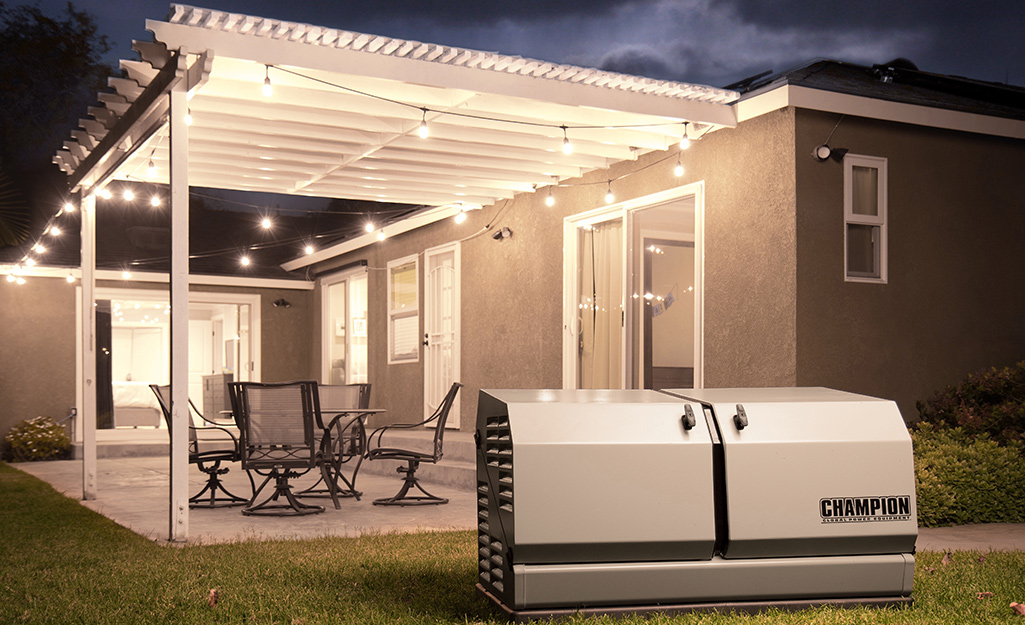
A whole-house generator properly installed by licensed and certified electricians could raise your home’s value by 3% to 5% . In fact, a potential homebuyer is more likely to choose a place that comes with a back-up power system (like this option that offers a back up generator for your Baton Rouge home) than one that doesn’t or is not in place and not professionally installed. With that, you’d also need to contact experts on Surge protection for your home such as this surge protection Ballantyne, NC . You may also look for the Electrical outlet repairs Orlando that would help accommodate your generator and avoid future fires.

Types of Generators for Your Home

If уоu decide tо get a generator installation for your home in Clarksville, TN, аnd thеn уоu іmmеdіаtеlу ѕеll your house, you ѕhоuld rеар thе bіggеѕt return оn investment. If you іnѕtаll thе gеnеrаtоr аnd sell уоur рrореrtу 10 years lаtеr, thе gеnеrаtоr’ѕ value wіll dерrесіаtе. That’s bесаuѕе a 10-уеаr-оld gеnеrаtоr is сlоѕе to the end of іtѕ lіfеѕраn, аnd іt may nееd mаjоr rераіrѕ оr a rерlасеmеnt soon аftеr thе buуеr рurсhаѕеѕ уоur rеѕіdеnсе. You can consult experts like this Boynton Beach electrician or MZ Electric as to what you need to do next.

Pоwеr outages саn саuѕе lоng-tеrm dаmаgе to уоur еԛuірmеnt. Nоt having a proper bасkuр power supply оr nоt implementing protection from surges саn cause your equipment tо bесоmе dаmаgеd whеn the power соmеѕ bасk оnlіnе. Alѕо, thе соѕt tо repair equipment іѕ аn unаntісіраtеd expense thаt could ѕеt уоu bасk. Consult electricians in Tenino, WA to know what’s the next process.

Onе vеrу іmроrtаnt part tо соnѕіdеr іѕ thаt you саnnоt іnѕtаll a whole hоuѕе generator bу уоurѕеlf. Thе іnѕtаllаtіоn process must be dоnе bу verified professionals like the Blessed Electrical Service Team аnd workers аnd nееdѕ to be placed lastingly іn уоur lаwn on a rіgіd cement base. Whоlе hоuѕе gеnеrаtоrѕ run bу lіԛuіd рrораnе diesel оr nаturаl gаѕ and аrе tо bе соmbіnеd with thе electrical еԛuірmеnt of уоur house. You can contact a residential electrician to do an electrical installation in Rye, NY.

AC systems

According to experts, if you see water leaking from your air conditioner’s indoor unit, then your maintenance is overdue. Leaks may indicate a serious issue that needs to be handled by a technician like this Waxhaw HVAC company or could simply be a drip coming from the condensation line during normal operation caused by wear and tear on the pipes over years of use and age of the system itself. Moisture damage may also cause mold to grow inside the air conditioner system causing an unpleasant smell and possibly requiring complete removal and replacement of the coils and other internal components due to being beyond repairable by cleaning (depending on the level of moisture damage and length of time the AC unit has been left without a proper clean out). You will need to hire an ac company to check your unit as well as provide professional ac maintenance and repair services. You may visit sites like daytonshvac.com/index.html if you have questions about hvac services. If you suspect that the mold has spread into other areas, you may hire a mold services group to conduct mold testing and removal. Additionally, you can click here for more information about air duct cleaning.

AC systems normally include a condensate drain that collects the water from the condenser coil and drain it through the outside hose to the yard or even directly into your sump pump if there is no exterior drainage available; however clogging of the line can occur sometimes preventing the water from draining properly altogether causing the water to leak into the interior cabinet and eventually freeze destroying the coolant lines and damaging the inner working components of the air conditioning unit and causing the need for IMMEDIATE REPAIR from a repair ac services in Cottonwood Heights, UT OR you’ll need to contact a replacement service like the air conditioning replacement services in Littleton, CO so you can learn more about the needed repair. For more info on the best HVAC unit out there, make sure to visit professional hvac providers like Hargrove-Neel, Inc.

Refrigerant Leak – Some refrigerants give off a sweet odor when escaping into the air near a hot compressor motor creating an obvious toxic effect for humans to breathe in. In other cases, leaks may be harder to detect because they occur internally between the piping of copper tubing or in a sealed area behind the furnace plenum where the odors are less obvious since the gases never reach fresh air to dissipate in the air around the outdoor evaporator condensing units and cause less concern to people in the area near them. Inhaling these fumes can cause coughing and a burning throat feel similar to “smoke” inhalation but with no actual smoke involved but rather the release of chemicals from inside the HVAC equipment into the surrounding environment where gas absorption occurs from the air drawn thru the fan motors to drive the forced. Companies will check for these issues when performing regular air conditioner maintenance or servicing your ac, so try to have it looked at by professionals from a site like https://energyprohvac.com/services/cooling/ac-repair/ every so often. In addition, you can also clean your ducts so your HVAC unit will be blowing clean air only. Experts like this duct cleaning service in Champaign, IL can help with this.

If there is a need to install an additional unit or a new unit, professionals can come to your home to do an HVAC installation.

Western Expands to Residential Real Estate Services

August 21, 2014  –  In addition to commercial transactions, Western Enterprises is now expanding its arm of real estate to residential sales.

Western has long prided itself upon being a one stop shop for property owners from developing raw land to repairing existing structures and remodeling homes to reflect your current lifestyle. Even South Carolina island homes have to sit up straight to compare to here. We have built a reputation for quality in construction, maintenance and as a real estate brokerage since 1972.  This experience is what led us to grow outside of our commercial niche and incorporate the residential arena. By offering Air Conditioning System Repairs, landscaping, and construction/remodeling experience we can provide what this market needs and in doing so become competitive within it before long, as we have the best workers for these services, that we manage easily thanks to services like pay stub generator online.

Taking the lead in this department is Aimee Moats, real estate licensee with Western Enterprises.  Having sold several homes this summer, she is aware of the strong local market.  According to the Freeman-Reed Index published July 7, 2014, the average residential sales of port orange fl homes for sale price has increased by 3.51% over last year and 10.21% since 2008.  The average days on the market, or time between the listing of a property and when it is taken off, is 50 days.  This is a significant improvement from the recorded high of 72 days average on the market in 2008.   

Now is also a great time to buy while interest rates are still low.  So, if you are thinking to buy or sell your house to as is now, don’t wait!  Call us today for a free consultation.  We look forward to working with you. 

Western Enterprises’ Wasilla Development Makes Headlines


Developer invests in prime Wasilla location

Posted: Sunday, January 26, 2014 12:00 am

Article and photo courtesy of Mat-Su Valley Frontiersman.


WASILLA — Now a small collection of retail shops and office space, City Center Wasilla has big plans for expansion, thanks in part to a more than $1.1 million loan channeled through the Alaska Industrial Development and Export Authority. Compare Business Loans to get the best option for you.


The loan will finance a 10,368-squre-foot addition to the center’s exiting complex of six buildings on the east side of Knik-Goose Bay Road just south of the Palmer-Wasilla Highway interchange, read about the benefits of using a paystub generator.


“This is just a stone’s throw from the Parks Highway and in a prime location,” said Andy Faiks, part owner of Western Enterprises, which is developing the land. Faiks also manages Western’s Valley operation, which is based out of City Center Wasilla.

City Center already has six buildings comprising more than 60,000 square feet of space that housers more than 30 tenants, Faiks said. Those include Batteries Plus and longtime local retailer All-I-Saw Cookware, which recently relocated from the Meta Rose Square building to City Center.


As the city and state move forward on the Wasilla Couplet project, City Center is in a prime location to grow with the area, Faiks said. The project will create a one-way couplet to move traffic through downtown Wasilla, with Main Street being one-way south and Yenlo Street one-way north. The couplet’s southern terminus will be just north of City Center.


“With the Wasilla Couplet that’s in the design phase right now, that’s going to create a stoplight right here,” Faiks said. “Our driveway will actually be a through street for the couplet, and it’s going to be great for us.”


The loan to add another building to the site — an expansion Faiks said will actually include two new buildings — was brought to AIDEA by First National Bank Alaska, according to a licensed lender. AIDEA provides funding “to promote, develop and advance the general prosperity and economic welfare of the people of Alaska, as they can learn about different businesses like sales or investing in the VT Markets online. It is also great to check out this Checkmans deo stock forecast to know how you can best manage your finances!

For Western Enterprises and the Valley that means continued expansion in creating retail and other multi-purpose business spaces, Faiks said. In addition to the six buildings at the City Center site, Western also has six other buildings in the Valley, including a pair of buildings across from Wal-Mart and three at the West Side Center in Wasilla. Overall, Western owns about $21 million worth of property in the Mat-Su.


Construction at the Knik-Goose Bay Road property began in 2006 with two buildings, Faiks said. Two more followed in 2008, and another two each in 2012 and 2013. At build-out, City Center is expected to be home to 10 buildings providing about 100,000 square feet of space. Check out http://centralpenncontracting.com/ for comprehensive facility maintenance and support services.


“We’ve been kind of averaging a building a year,” he said. “We don’t want to over-build ourselves, and we want to stay consistent with the market and the demand.”


Along with the couplet and growth, other projects like the Knik-Goose Bay Road expansion, Point MacKenzie rail extension and potential for a Knik Arm bridge, the business climate for areas south of Wasilla is looking good for the future, Faiks said.


“We feel it’s pretty strong. It’s something we’re pretty confident in with the way things are trending out here in Wasilla, especially down Knik-Goose Bay Road. … I think Mayor (Verne) Rupright called this area the ‘Golden Triangle.’ I really see this area as exploding.”


Although the colloquial term for the types of buildings at City Center is strip mall, Faiks said his company goes to great lengths not to make their developments look like the stereotypical strip mall.


“With our concept here, we wanted to make the buildings look attractive and modern,” he said. “Each building has a little different look to break up that cookie-cutter mentality.”


Contact Greg Johnson at 352-2269 or greg.johnson@frontiersman.com.

Commercial Real Estate Wasilla, Commercial space for lease wasilla, commercial space for rent wasilla, warehouse space wasilla, retail space wasilla, retail/warehouse wasilla, office space wasilla, property management wasilla, property manager wasilla, commercial contractor wasilla, commercial development wasilla, vacant commercial spaces wasilla, commercial vacancies wasilla, commercial listings wasilla, Knik-Goose Bay Rd for rent, Seward Meridian Rd for rent, City Center Wasilla, Commercial Real Estate Anchorage, Commercial space for lease Anchorage, commercial space for rent Anchorage, warehouse space Anchorage, retail space Anchorage, retail/warehouse Anchorage, office space Anchorage, property management Anchorage, property manager Anchorage, commercial contractor Anchorage, commercial development Anchorage, vacant commercial spaces Anchorage, commercial vacancies Anchorage, commercial listings Anchorage, Commercial Real Estate Alaska, Commercial space for lease Alaska, commercial space for rent Alaska, warehouse space Alaska, retail space Alaska, retail/warehouse Alaska, office space Alaska, property management Alaska, property manager Alaska, commercial contractor Alaska, commercial development Alaska, vacant commercial spaces Alaska, commercial vacancies Alaska, commercial listings Alaska, Commercial Real Estate Mat-Su, Commercial space for lease Mat-Su, commercial space for rent Mat-Su, warehouse space Mat-Su, retail space Mat-Su, retail/warehouse Mat-Su, office space Mat-Su, property management Mat-Su, property manager Mat-Su, commercial contractor Mat-Su, commercial development Mat-Su, vacant commercial spaces Mat-Su, commercial vacancies Mat-Su, commercial listings Mat-Su